Small living rooms are often asked to do too much: provide a place to rest, entertain, watch television, work and store the things of everyday life. Good styling doesn't solve the footprint, but it can make the space easier to use and more personal. Begin with how the room works before you choose a colour scheme.
Clear the pathways first
Walk through the room as you normally would. Where do people squeeze past a table? Which cupboard door can't open fully? A piece of furniture may be attractive but still make the space frustrating. Move the largest items before buying anything new, and keep clear access to exits and frequently used storage. An arrangement that works for a styled photograph may not suit a household that needs to move through the room several times an hour.
Choose a visual anchor
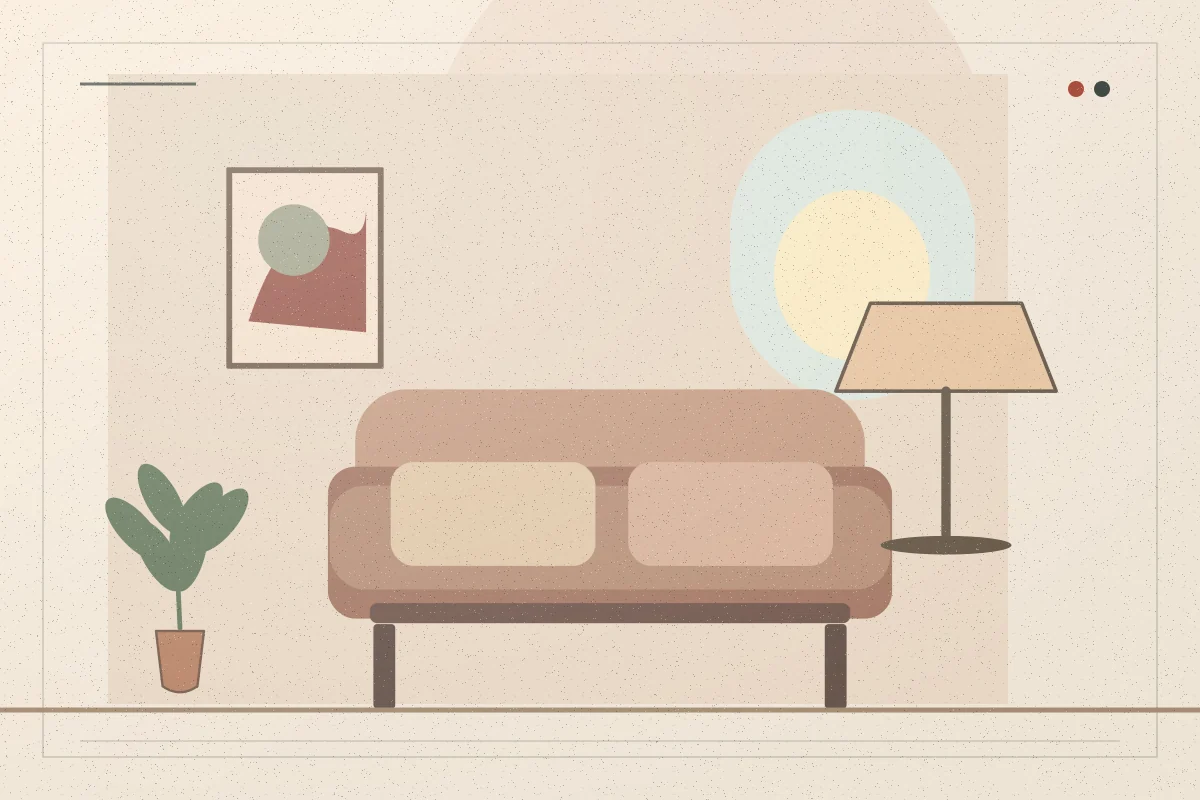
An anchor gives the room a starting point: it could be a sofa, an artwork, a rug or a window with a view. Let other pieces support that feature instead of competing with it. If your sofa is already a strong colour, you might repeat the tone in a cushion or picture. If everything is neutral, a distinctive lamp can add personality. You don't need every surface to be decorated for the space to feel deliberate.
Think in layers of light
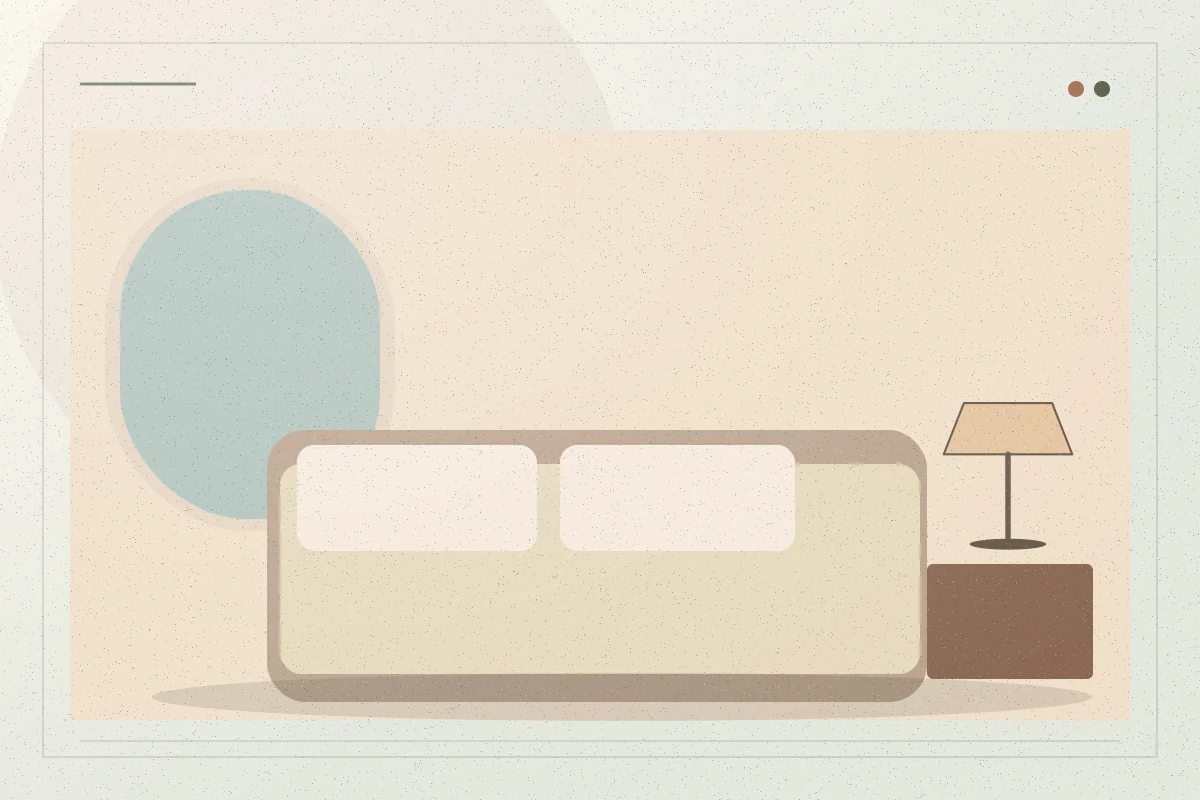
The overhead light is only one tool. A table lamp beside a reading chair, a floor lamp near the sofa or a small light on a shelf can create more comfortable evenings. Consider where power points are and keep cables safely out of walkways. Warm or cool bulbs affect the mood differently, but choose what supports the activities in the room. In a rental, portable lamps may offer more flexibility than permanent fittings.
Edit what is visible
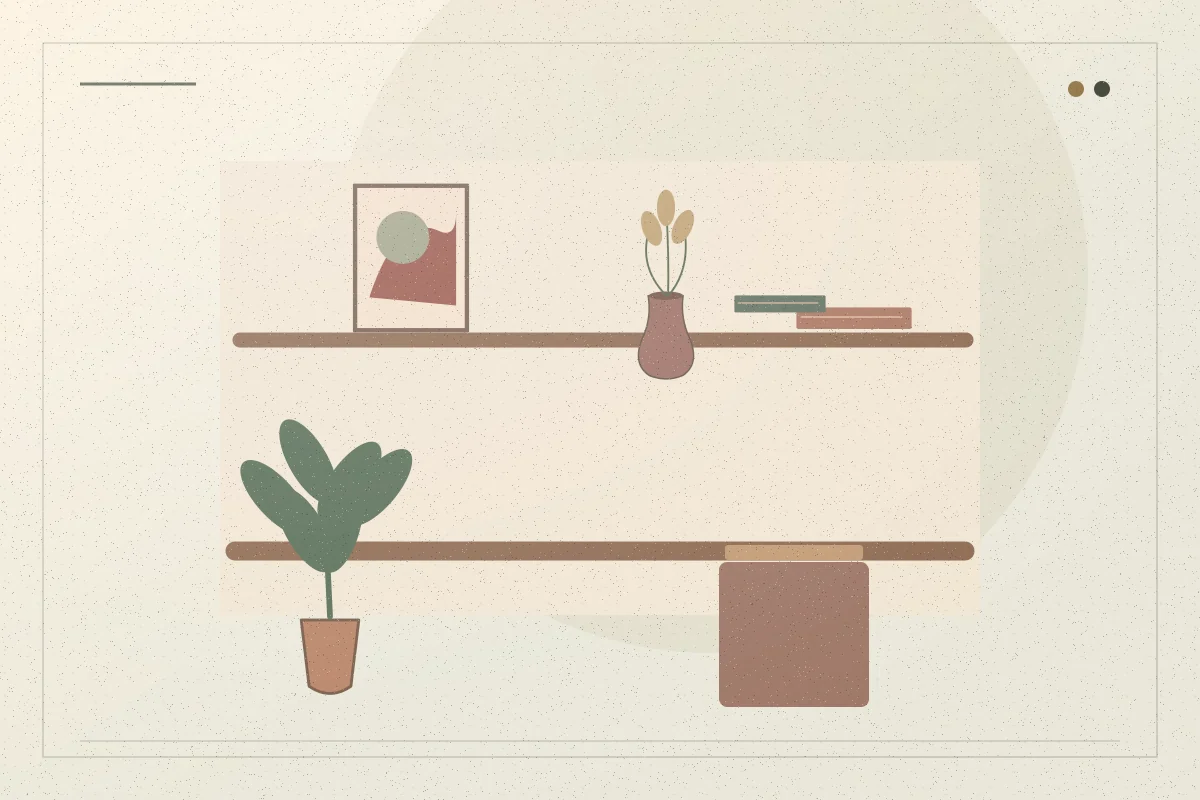
Closed storage can help with objects you need but don't want on display. On open shelves, leave breathing space around books, ceramics and treasured things. Try grouping a few items with varied heights instead of scattering small objects everywhere. Keep practical items reachable, especially if you use the room with children or pets. A room that looks calm but makes daily tasks harder isn't truly well organised.
Add texture rather than excess
A woven cushion, a textured throw, a matte vase or a timber side table can make neutral colours feel richer. Start with what you already own and move pieces between rooms before shopping. Measure the space and furniture carefully if you do decide to buy. A well-proportioned table is often a better improvement than several decorative objects that take up the last clear surface.
The most successful small room is one that feels good to use. Function is part of the aesthetic.