A wardrobe doesn't have to be minimal to feel manageable. It just has to make sense to the person who uses it. Rather than empty every drawer and end up surrounded by bags, this edit works through one decision at a time—and leaves room for the pieces you love even when they aren't practical every Monday morning.
Start with the clothes you reach for
Before moving anything, notice what is already earning its space. Which trousers do you wear on busy mornings? Which jacket makes a simple outfit feel complete? Put those pieces together and look for what they have in common: fit, colour, fabric, ease of washing or the way you feel wearing them. That's a stronger foundation than a list of supposedly essential clothes from someone else's life. The aim is to understand your current wardrobe, not erase your taste.
Make four honest piles
Work through a small category, perhaps just shirts, and separate pieces into wear regularly, enjoy occasionally, repair or alter, and ready to pass on. Don't confuse an occasional piece with a useless one; special-occasion clothing exists for a reason. A good question is whether you would choose it again for the same purpose. If you wouldn't, identify why. The answer might be an awkward neckline, an uncomfortable seam or a colour that never seems to work with anything else.
Pay attention to fit, not an ideal size
Try on uncertain items when you have time, in the light and with the shoes or underlayers you would normally wear. A garment should serve your body now, rather than a hypothetical future version of it. It may be worth keeping a well-made piece for alteration if the fix is reasonable. But don't create a repair project for every item you feel guilty about giving away. A wardrobe should be easier to live with after an edit, not a larger list of obligations.
Look for missing links
Once your favourites are visible, try making several outfits with them. Maybe a favourite skirt works with three tops but none of your everyday shoes. Maybe a blazer is lovely but too warm for your commute. Those observations are more useful than a vague feeling that you need to shop. Write down one real gap, if there is one. You might already own an alternative in another drawer, or discover that an alteration will do more than another purchase.
Return pieces to a system you can maintain
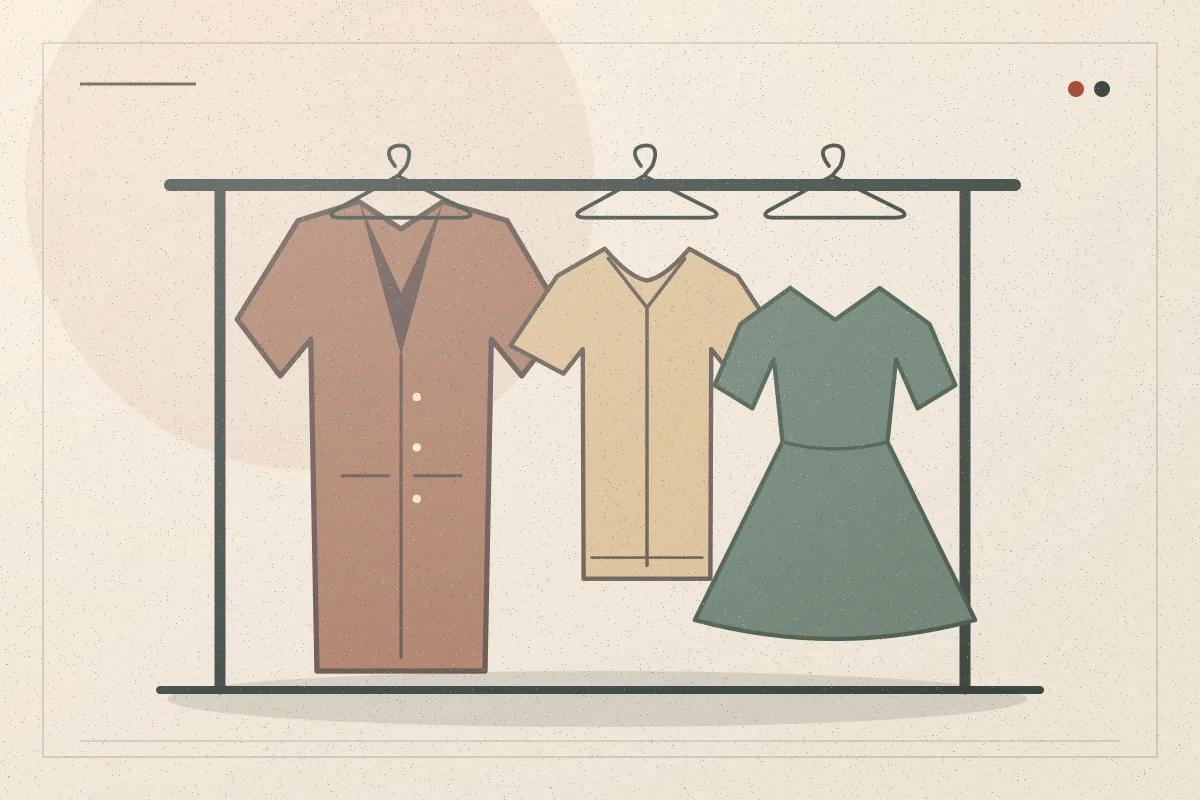
Group clothing in the way you actually get dressed—by type, by use or by frequently worn outfits. Leave a little breathing room so you can see what's there. A drawer divider might help, but a shoebox may work just as well. Revisit one category when the seasons or your routine change rather than repeating an exhausting overhaul. The best storage system is the one you can put back together after doing laundry.
A successful edit isn't measured by how many bags leave the house. It's measured by whether tomorrow morning feels a little simpler.